3D PRINTERS
What is 3D Printing?

3d printing, as the name suggests prints 3-Dimensional Objects rather than 2-Dimensional Pictures on a paper or some other material. It uses 3D modeling software and printers that operate on 3 axis x, y, and z. And instead of normal ink it uses fast hardening materials, for example such as plastic that doesn't melt into liquid but semi-liquid state that can stick together and cool-down quickly to solid to allow 3d objects to be printed.
Modeling:
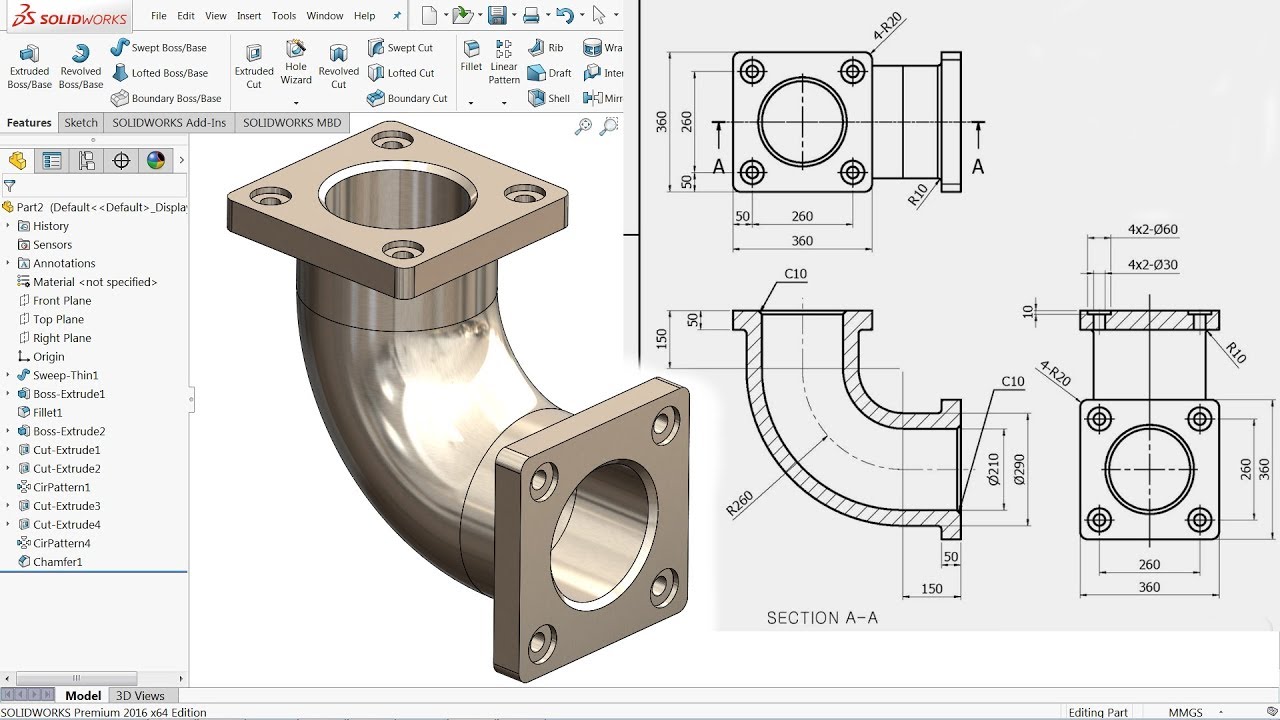
Some well-known CAD softwares are:
- Fusion 360
- SolidWorks
- Onshape
- Tinkercad
- Blender

How does a 3D Printer work?

A 3D printer operates like an inkjet printer operated
from a computer. It builds up a 3D model one layer at a time, from
the bottom upward, by repeatedly printing over the same area. Working entirely automatically, the printer creates a model over a period of hours by turning a 3D CAD
drawing into lots of two-dimensional, cross-sectional
layers—effectively separate 2D prints that sit one on top of
another, but without the paper in between. Instead of using ink, which would never build up to much
volume, the printer deposits layers of molten plastic or powder and
fuses them together (and to the existing structure) with adhesive or ultraviolet light.

Material:
- Plastic. Out of all the raw materials for 3D printing in use today, plastic is the most commonly used material, as it is cheap and light weight.
- Powders. Today's more state-of-the-art 3D printers use powdered materials to construct products. In powder form, materials like steel, copper and other types of metal are easier to transport and mold into desired shapes.
- Resins. One of the more limiting and therefore less-used materials in 3D
printing is resin. Compared to other 3D-applicable materials, resin
offers limited flexibility and strength. But is used for giving objects transparent and smooth touch. It is also used for making very detailed objects such as figures.
- Metal. The second-most-popular material in the industry of 3D printing is
metal, which is used through a process known as direct metal laser
sintering or DMLS. It is used for mostly making jewelery.
- Carbon Fiber. Composites such as carbon fiber are used in 3D printers as a top-coat over plastic materials. The purpose is to make the plastic stronger.
- Graphite and Graphene. Graphene has become a popular choice for 3D printing because of its strength and conductivity. The material is ideal for device parts that need to be flexible, such as touchscreens.
- Nitinol. As a common material in medical implants, nitinol is valued in the 3D printing world for its super-elasticity.
Applications Of A 3D Printer:
So, far we discussed about the working of a 3D printer and how to use it, but where can it be used in real-life situations. Since a 3D printer can help build physical parts of a 3D model designed in CAD, it can be used for Prototyping Engineering ideas and test those prototypes in real-life, which would be time and cost efficient.
.jpg/1024px-Miniature_human_face_models_made_through_3D_Printing_(Rapid_Prototyping).jpg)
A 3D printer can also be used for making detailed 3D models/figures to display, or to make objects easily at home for use, such as a spoon, screws, holders, cups and so much more. It can also be used for mass manufacturing of products.

3D printing has also made it's way into medical applications. It can be used for making surgical tools and medical devices such as prosthetics.
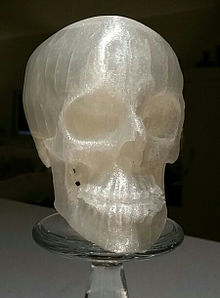
It is also used for making implants for patients. And bio-printing is another huge application of 3D printing which allows it to print tissues and make artifical organs.
Amazing!
ReplyDelete👍
ReplyDeleteInformative blog
ReplyDeleteGood efforts
ReplyDeletegood explanation
ReplyDeleteNice
ReplyDelete👍
ReplyDeleteGreat Blog
ReplyDeleteGreat!!!
ReplyDeleteAmazing write-up! 👏
ReplyDeleteVery informative blog👏👏
ReplyDeleteWow!! Such a thing exists . Learned about something new today .
ReplyDeleteit clear my confusion about 3d printer, blog is great
ReplyDelete